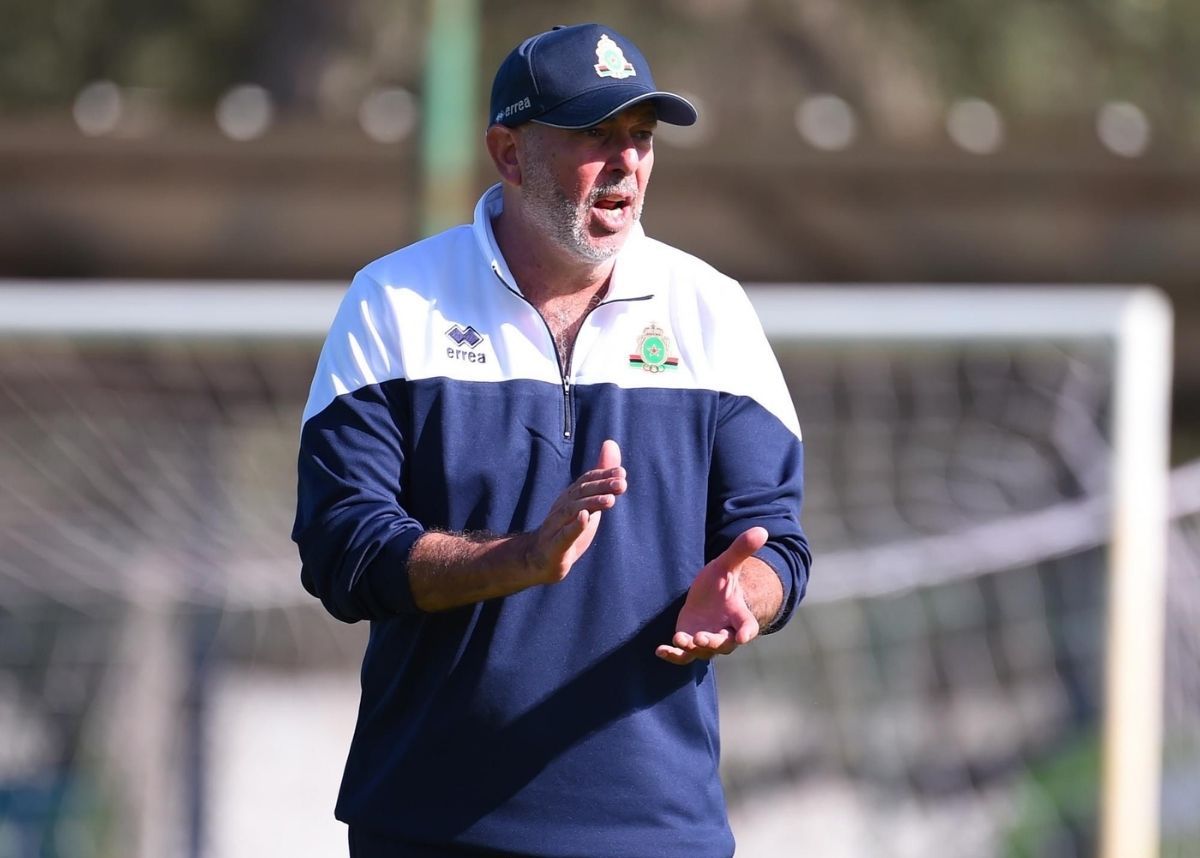
Abdul Ebrahim, the head of the refereeing department at the South African Football Association (SAFA), has responded to the recent criticism from the Kaizer Chiefs technical team regarding the performance of match official Olani Kwinda in their recent game. The controversy erupted following Chiefs’ 1-1 draw with their opponents, where the officiating of Kwinda, a relatively experienced referee, came under intense scrutiny.
The Kaizer Chiefs technical team, led by head coach Molefi Ntseki, expressed strong discontent with certain decisions made by Kwinda during the match, which they felt had a significant impact on the outcome of the game. The Chiefs were particularly unhappy with what they perceived as missed or incorrect calls in key moments, including an alleged offside and a controversial foul that led to a goal. These decisions led to a series of statements from Chiefs’ technical staff, who questioned the referee’s impartiality and competence.
Following the match, Chiefs’ assistant coach, Dillon Sheppard, was vocal in his criticism, stating that the officiating had been unfair and detrimental to the team’s performance. He pointed out that the club had been at the receiving end of some dubious calls, and the technical team called for clarity and transparency from SAFA regarding the performance and evaluation of match officials.
In his response, Abdul Ebrahim sought to address the concerns raised by Kaizer Chiefs, while also reaffirming the professionalism and accountability of the refereeing department. Ebrahim emphasized that refereeing decisions, while subjective, are an integral part of the game, and the South African Football Association is committed to ensuring that all officials, including Kwinda, adhere to the highest standards of integrity and fairness.
Ebrahim acknowledged that referees, like players and coaches, are not immune to criticism, but he also stressed that SAFA’s refereeing department takes every complaint seriously. He revealed that the performance of all match officials is reviewed after every game, including the controversial match involving Kaizer Chiefs. However, Ebrahim pointed out that officials are human and can make mistakes, especially in fast-paced, high-pressure situations like a football match.
“Referees are subject to the same scrutiny as players, coaches, and clubs,” Ebrahim said. “We are committed to ensuring the highest level of officiating in all our matches, and we understand that there are moments when decisions may not go in favor of one team or another. However, we must also trust in the process and the integrity of our officials.”
Ebrahim further explained that after a match, a thorough review of a referee’s performance takes place, often involving discussions between the referee and the match commissioner. If necessary, additional training or remedial actions may be recommended to improve the standard of officiating.
Ebrahim also highlighted SAFA’s ongoing efforts to improve the standard of refereeing in South African football. He reiterated that the association invests in regular training sessions and workshops for officials to enhance their decision-making and understanding of the game’s rules. Furthermore, SAFA continually works on improving communication between referees, players, and coaches to ensure a more harmonious and productive football environment.
“We understand the frustration that comes with contentious decisions,” Ebrahim continued. “However, we are constantly working on improving the quality of refereeing in South Africa. Our referees undergo regular training, and we aim to make sure that their performances are as consistent as possible. We want to assure the public, the clubs, and the players that we are committed to creating a fair and transparent football environment.”
Ebrahim also encouraged teams to continue voicing their concerns through the appropriate channels so that the refereeing department could address issues in a structured and productive manner. He added that, while public criticism is a part of the sport, it should be constructive and aimed at enhancing the overall quality of officiating.
Following Ebrahim’s comments, Kaizer Chiefs were reportedly open to dialogue with SAFA over their concerns but maintained their position that the officiating had negatively affected their performance in the game. The club has been vocal in pushing for improvements to the standard of refereeing in South African football, and this incident has added fuel to their call for greater accountability.
While Chiefs remain dissatisfied with the outcome of the review, their technical staff expressed a willingness to engage in further discussions with the refereeing department to clarify the decisions made during the match. They emphasized their desire for fairness and transparency moving forward and hope that their concerns will help spark a broader conversation about improving officiating standards across the Premier Soccer League (PSL).
The exchange between Kaizer Chiefs and SAFA highlights the ongoing challenges in South African football regarding refereeing standards and the way decisions are made on the pitch. While both sides have made their points clear, the focus now shifts to how SAFA can continue to improve the consistency and accuracy of its match officials. The controversy has also underscored the importance of dialogue between the league’s stakeholders, ensuring that all parties can work together to enhance the overall quality of the game.
For now, the refereeing department remains committed to its mission of professional development and ensuring that referees are held to the highest standards of accountability. As for Kaizer Chiefs, their pursuit of a fairer footballing environment continues, with hopes that their efforts lead to meaningful improvements for the entire South African football community.
