✊🏾 More Than a Musician: Lucky Dube Deserves a National Legacy
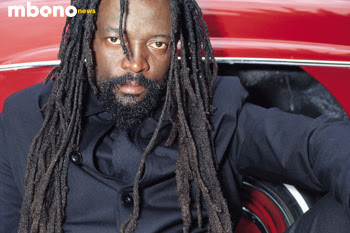
Lucky Dube was not just a reggae artist — he was a truth-teller, freedom fighter, and cultural unifier. With a discography that spans 22 albums and global anthems like Prisoner, Different Colours, and Together As One, Dube stood tall as Africa’s Bob Marley, using music to fight apartheid, spread peace, and call for unity in a divided world.
And yet, nearly two decades after his tragic death in 2007, South Africa has done little — institutionally — to preserve and elevate his legacy.
🎤 A Global Voice for Justice, Undercelebrated at Home
Dube’s music:
- Spoke out against apartheid when it was dangerous to do so
- Promoted racial harmony across cultural and political divides
- Amplified South Africa’s voice on the world stage, especially in countries grappling with their own systems of oppression
Despite this, tributes remain largely fan- and family-driven. His son Thokozani Dube continues to perform his father’s music at events like the Ugu Reggae Festival, and the Lucky Dube Legacy Company engages supporters online — but where is the national recognition?
🏛️ What Should Be Done?
South Africa celebrates many of its greats — through public holidays, educational initiatives, statues, and state-endorsed memorials. Lucky Dube deserves the same.
Here are five concrete steps the government and cultural bodies could take:
- Establish an Annual National Lucky Dube Day — to celebrate music, unity, and resistance.
- Introduce his music in school curricula — especially in history, life orientation, and music education.
- Fund a Lucky Dube Music and Heritage Centre — to preserve his work and inspire young artists.
- Name public spaces or roads in his honour — as is done for other freedom icons.
- Support and grow existing reggae festivals — anchoring them in Dube’s legacy.
🎶 Why It Matters
Lucky Dube was more than a performer — he was a mirror to society and a bridge between nations. His messages of peace, unity, and truth-telling are as relevant today as they were during apartheid.
“Different colours / One people” — his lyrics remind us of what South Africa still strives to be.
