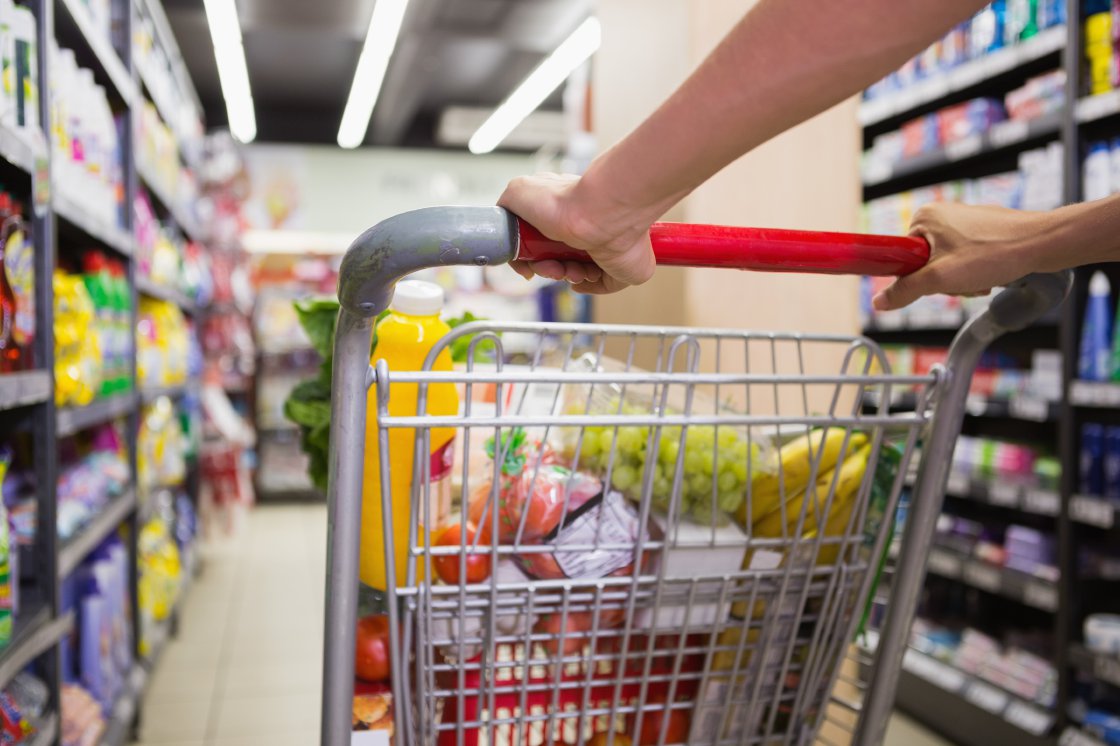
Consumers in South Africa can expect to continue facing higher grocery bills in the coming months, as food inflation remains on an upward trajectory. According to recent data from Statistics South Africa (Stats SA), inflation for food and non-alcoholic beverages (NAB) rose slightly by 0.2%, reaching 2.5% in December, up from 2.3% in November. The increase was largely driven by the rising costs of meat and fruit.
On a year-on-year basis, the inflation for food and NAB edged up to 1.7% in December 2024, from 1.6% in December 2023. While prices for processed foods held steady at 3.2%, unprocessed foods saw a more significant rise. The overall consumer price index (CPI) also experienced a slight increase, rising from 2.9% in November to 3.0% in December, marking a second consecutive month of inflationary growth.
Economists point to seasonal factors, such as the impact of weather patterns and crop cycles, for much of the short-term rise in food prices. Hannah de Nobrega, an economist at Prescient Investment Management, noted that food has been the primary driver of headline inflation, especially given the unpredictable nature of agricultural production. She highlighted the influence of the El Niño weather cycle, which often brings increased rainfall and can lead to crop flooding or mould, driving up fruit and vegetable prices.
Additionally, global agricultural prices have been contributing to the upward pressure on domestic food prices. International food prices saw a significant rise of 6.4% in December, and South African prices are influenced by global market fluctuations due to import and export parity pricing. This means that consumers in South Africa are not only affected by local weather events but also by broader international supply chain issues.
Interestingly, some food categories have shown signs of stabilizing. The price index for bread and cereals, for example, remained unchanged at 3.7% year-on-year, with a slight decline of 0.2% between November and December. Meat prices softened by 0.4% over the same 12-month period, marking the lowest annual rate since May 2019. The biggest declines within the meat category were in sausages, pork, and whole chicken, although some items, such as beef extract, bacon, and ham, saw notable price increases.
Hot beverages, however, have been among the most significant contributors to food inflation, with prices rising by 13.5% in December compared to the previous year. Instant coffee, for example, was 16.1% more expensive, while other popular hot beverage items like black tea, drinking chocolate, and rooibos tea saw increases ranging from 7.8% to 14.2%.
Looking ahead, economists are forecasting that food inflation will likely drift upwards throughout 2025. Johann Els, chief economist at Old Mutual Group, pointed out that while food inflation has been relatively low, it’s expected to increase gradually, possibly reaching around 5% by the end of the year. He attributed this to a combination of weather conditions, including good rains in key agricultural areas, which should help stabilize the prices of crops like maize.
However, the unpredictability of food prices, given the influence of seasonality, weather events, and external factors like global trade, makes it challenging to predict with certainty. The presence of diseases affecting livestock, as well as power disruptions and logistical issues, could also add upward pressure on food prices in the short to medium term. Despite these concerns, healthy summer crop yields, driven by favorable weather conditions in recent months, could help soften some of the price hikes.
In addition to food, fuel prices are also expected to continue exerting upward pressure on inflation, particularly after the global decline in fuel prices during 2024. The combination of rising food and fuel costs could lead to a more persistent inflationary environment for South African consumers in the coming months.
Overall, while there is some optimism regarding the potential for more stable prices in certain categories, the unpredictable nature of agriculture and global market trends suggests that South Africans will need to adjust to higher living costs, particularly for food and essential items, throughout 2025.
