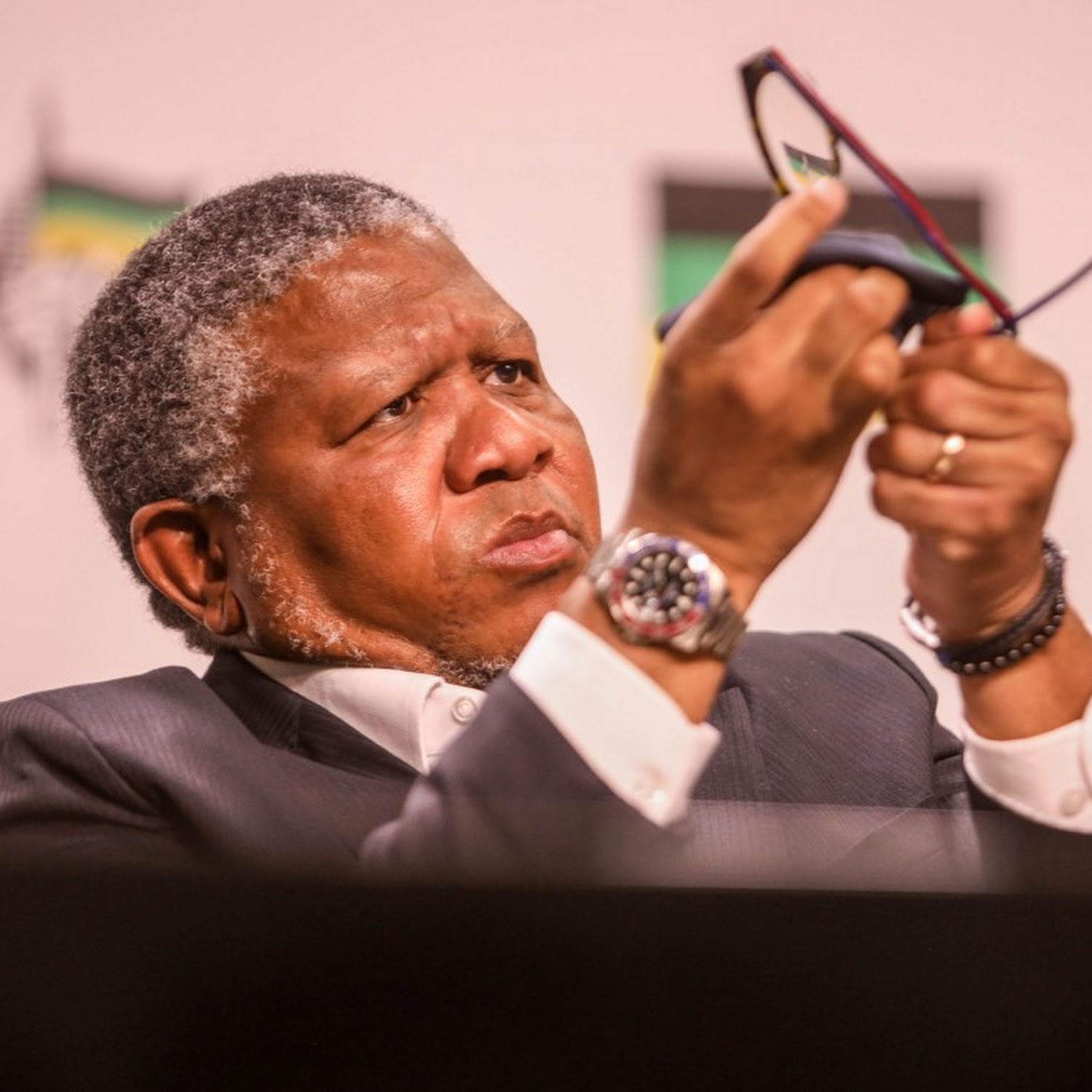
Fikile Mbalula, the Secretary-General of the African National Congress (ANC), recently made waves by suggesting that the party might approach former Economic Freedom Fighters (EFF) Member of Parliament (MP), Dr. Mbuyiseni Ndlozi, to join their ranks. Mbalula’s comments, made during a media briefing on January 20, 2025, came on the heels of reports that the ANC had indeed reached out to Ndlozi, whom Mbalula described as a “political masterpiece” and a highly respected figure in South African politics.
Ndlozi, who had been a central figure within the EFF since its formation, took many by surprise earlier this month when he voluntarily resigned from his position as an MP. His resignation followed a tumultuous period within the party, which saw him barred from participating in the EFF’s elective conference in December 2024. The tension between Ndlozi and EFF leader Julius Malema had been simmering for some time, with Malema accusing Ndlozi of having an inflated ego and acting as though he was “bigger than the party.” This clash reportedly came to a head when Ndlozi failed to inform Malema about his close ally, Floyd Shivambu, who had left the EFF to join Jacob Zuma’s MK party in August 2024.
In the wake of Ndlozi’s departure, Mbalula suggested that it would not be surprising for the ANC to extend an olive branch to the outspoken former EFF MP. “It’s possible… I will not be shocked that the ANC can talk to him because he is a good member of society and, in politics, he is a good politician,” Mbalula remarked. The ANC Secretary-General emphasized that Ndlozi, like any other political figure, would ultimately make his own decisions about his future. However, he left the door wide open, indicating that the ANC would welcome anyone committed to the nation’s transformation and liberation agenda.
Mbalula’s comments underscored a critical point about the dynamics within the EFF. He suggested that Malema’s autocratic leadership style, characterized by a desire for complete control over the party, may have led to Ndlozi’s ousting. “When his party ejects someone like him, it means Julius is powerful. He’s overconfident of himself,” Mbalula said, implying that Malema’s approach to leadership might have alienated key figures like Ndlozi. In contrast, Mbalula argued that the ANC’s handling of dissent was more inclusive. If a prominent ANC member were to leave, Mbalula claimed he would work to retain them, underscoring the ANC’s more accommodating approach to internal disagreement.
The comments also revealed a broader ideological difference between the two parties. While Malema’s leadership in the EFF has often been seen as more combative and uncompromising, Mbalula stressed that the ANC values political figures who can contribute to the country’s broader goals of transformation and social justice. “If you decide to be a politician and want to remain in politics and pursue the agenda of transformation, the liberation of our people, we in the ANC, we’re open to that,” he asserted. Mbalula’s words made it clear that, to the ANC, figures like Ndlozi—who advocate for economic justice and social change—are seen as assets.
Ndlozi’s political career has largely centered on these very issues, particularly among the EFF’s younger supporters. As an MP since 2013, he had become a symbol of the party’s commitment to economic freedom and anti-establishment rhetoric. His decision to step down from Parliament marked a pivotal moment in his career, signaling a potential shift in his political trajectory. With his close relationship to Shivambu and his history as one of the EFF’s most prominent voices on economic justice, Ndlozi’s next move will be closely watched.
For the ANC, the prospect of bringing Ndlozi into the fold would not only bolster its ranks with a seasoned and charismatic politician but could also appeal to younger voters disillusioned by the EFF’s internal conflicts. Mbalula’s open invitation to Ndlozi reflects the ANC’s ongoing efforts to rebrand and strengthen its position in the wake of its disappointing performance in the 2024 general elections. The party is in the midst of a reconfiguration of leadership, particularly in key provinces like Gauteng and KwaZulu-Natal, and any addition of prominent figures could signal a fresh direction.
Whether or not Ndlozi accepts any overtures from the ANC remains to be seen, but his departure from the EFF and Mbalula’s comments suggest that the political landscape in South Africa could be on the verge of another significant shift. For now, Ndlozi’s future in South African politics is uncertain, but one thing is clear: his next move will be a defining moment in the ongoing transformation of the country’s political scene.
