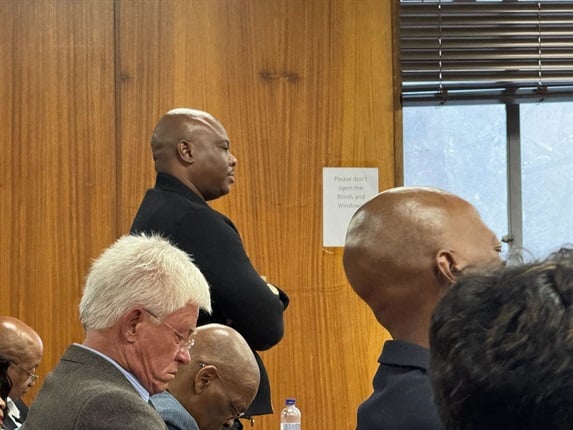
The highly anticipated corruption trial of businessman Edwin Sodi and former Free State Premier Ace Magashule has officially begun in the Free State High Court in Bloemfontein, reigniting national debate around corruption, state capture, and accountability in South Africa’s public sector.
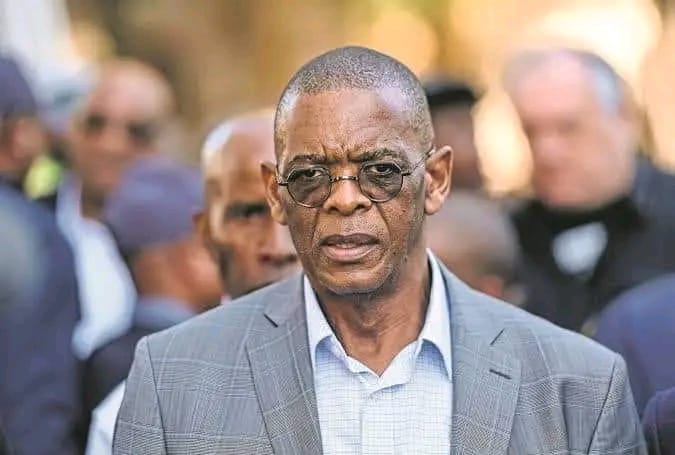
The two men—alongside 16 co-accused—are facing over 70 charges, including fraud, corruption, and money laundering, related to the controversial R255 million asbestos audit tender awarded in 2014. The contract, which was meant to identify and remove hazardous asbestos roofing in low-income homes, was allegedly riddled with irregularities and never properly carried out.
The state claims that the tender was unlawfully awarded to Sodi’s company, Blackhead Consulting, in partnership with Diamond Hill Trading, and that the project became a vehicle for massive looting, with R27 million in kickbacks allegedly paid to various government officials.
Edwin Sodi, whose name has become synonymous with corruption in public procurement, has pleaded not guilty. He remains under scrutiny not only for this case but also for his involvement in the failed Rooiwal water treatment project—linked to the 2023 Hammanskraal cholera outbreak—raising further questions about repeated state failures.
Adding to the courtroom drama is Moroadi Cholota, Magashule’s former personal assistant, who was extradited from the United States in 2024 after being implicated in the alleged conspiracy. Her testimony could be a turning point in the case.
In 2020, authorities froze Sodi’s assets worth R300 million as part of the investigation. However, he was allowed to retain residency at his luxurious Bryanston property, which remains a point of contention among critics of slow-moving justice.
The trial, expected to run until June 2025, has once again become a lightning rod for public anger over deep-seated corruption, especially in the wake of ongoing revelations from the Zondo Commission and other anti-graft probes.
As South Africans watch this landmark trial unfold, many are asking: Will this finally be the moment when high-profile corruption is punished, or just another chapter in the country’s long saga of impunit.
